1.0-5 (1).jpg)
 - resized.png)
1.0-7.jpg)
1.0-7 (1).jpg)
.JPG)
1.0-3.jpg)
Do you blame yourself for things that happened in the past, whether or not you were somehow at fault or even involved? Maybe you feel as if there was something more you could have or should have done to prevent a tragic event. Perhaps you’ve done things you’re not proud of, and you can’t seem to get those things off your mind.
Guilt is a feeling of responsibility for bad events, whether that feeling of responsibility is realistic or not. Some Veterans feel guilt or remorse because of something that happened in their military experience, such as an injury to a buddy in their unit, friendly fire, or civilian deaths. Other Veterans may feel guilt because of events that happened outside of the military.
Veterans may also experience survivor guilt. Survivor guilt can include feeling guilty for surviving when others did not, wishing that you had died instead of others, or thinking you didn’t deserve to survive.
Feelings of guilt can interfere with your everyday activities, and it makes it hard for some people to get through the day. Guilt may be related to stress and anxiety or depression. Some people may try dealing with guilt temporarily by turning to alcohol or drugs in order to forget or feel better for a little while. Others may become withdrawn or irritable or feel like their life has lost meaning. These behaviors can strain your personal relationships and may make it hard to keep a job or to go to school.
If you find yourself living with guilt or remorse about a past action or inaction, try to set aside time to think about your feelings. The steps below might help you cope with the guilt you feel:
- Write a list of what you think you should and shouldn't have done during the event.
- Remind yourself that everyone has things they would do differently if given the chance—but that no one can change the past or predict the future. Many things that look clear now would have been impossible to predict at the time.
- Identify productive ways to act on any regrets, such as finding a way to pay tribute to the fallen.
- Consider how you might work toward forgiving yourself for regrets you're unable to act on now. You might talk to a chaplain about how to move forward with forgiveness.
- Think about what you'd say to a buddy with similar feelings. You probably wouldn't tell a friend to keep feeling guilty and remorseful about the past, so try to have the same compassion for yourself.
- Discuss what actually happened with others who were there. Sometimes guilt can change the way you remember things and make you feel more responsible than you actually are.
- Remind yourself that you did the best you could, given your circumstances at the time.
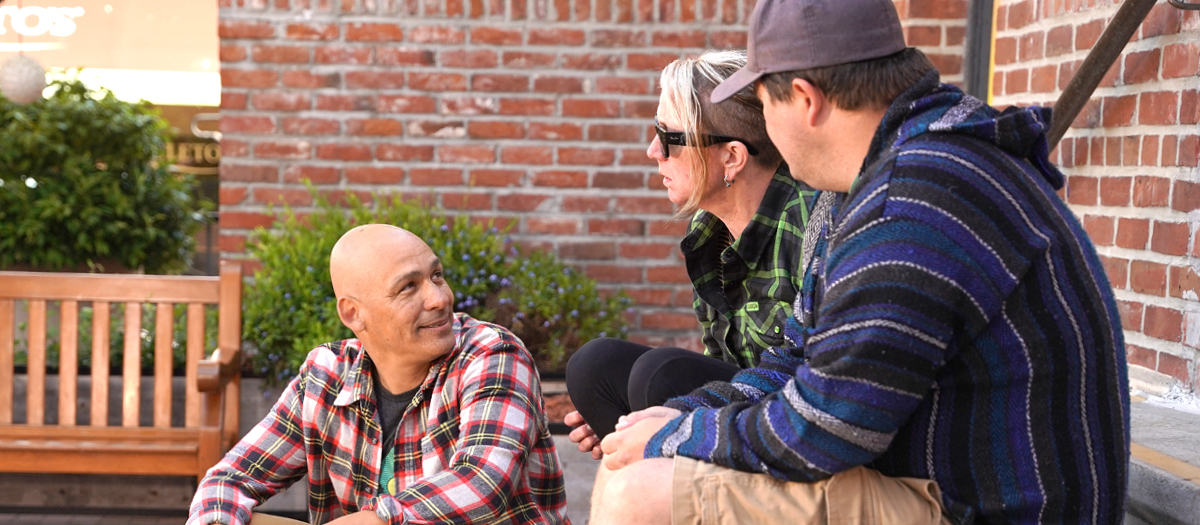
If you are having trouble forgiving yourself, talking to your family and friends may be a good first step. Many people find that sharing regrets or guilty feelings with another person helps them overcome them. Sometimes the experience is worse if you keep your feelings to yourself. Your family and friends may also have perspectives on the situation that you have overlooked. They may be able to provide you with support and help you find services that are right for you.
Every day, Veterans from all military service branches and eras connect with proven resources and effective treatments. Here’s how to take the next step: the one that’s right for you.
New to VA? Apply for health care benefits.
- Getting started is simple. Create a free account online to help ease your enrollment process. To prepare to apply for VA health care in person, by telephone, or by mail, explore VA’s “How to Apply for VA Health Care” page.
- Not sure whether you are eligible for VA health care benefits? Read about eligibility for VA health care.
- Unsure of what kind of help you need? Call 877-222-VETS (877-222-8387) to find the right resources to meet your needs, Monday through Friday, 8:00 a.m. to 8:00 p.m. ET. If you have hearing loss, call TTY: 800-877-8339.
- Veterans’ family members and caregivers can see whether they qualify for VA medical benefits as a spouse, surviving spouse, dependent child, or caregiver. Explore family and caregiver health benefits.
Already enrolled in VA and interested in mental health support? Schedule a mental health appointment.
- If you’re already enrolled in and using VA health care, the fastest way to schedule VA appointments is to call the VA facility where you want to receive care.
- With VA appointments tools, you can schedule some VA health care appointments online, view details about upcoming appointments, and organize your health care calendar.
- If you’re not using VA medical services, contact your nearest VA medical center or Vet Center to talk about your needs.
What about other options at VA? VA offers a variety of tools and resources.
- The Veteran Training online self-help portal includes modules on managing anger, developing parenting and problem-solving skills, and more.
- Mental health apps for Veterans cover a variety of topics, ranging from PTSD to anger management to quitting smoking.
- VA TeleMental Health connects you with a VA mental health provider through a computer or mobile device in your home or at your nearest VA health facility. You can learn more about this option from your local VA medical center.
- Community-based Vet Centers provide confidential counseling, community engagement and referral services to eligible individuals and their families. You don’t need to be enrolled in VA healthcare or have a service connection to receive services. Find a Vet Center near you or call 877-927-8387, 24/7 to talk with a fellow Veteran about your experiences.
What about support outside of VA?
FindTreatment.gov and the National Resource Directory list programs outside of VA. Use these tools to find resources near you.
Learn more about what you can do if you are experiencing specific concerns related to guilt, such as stress and anxiety, depression, spirituality, posttraumatic stress, and alcohol or drug problems.