9/11 Set Veteran’s Path—Therapy Helped Him Find a New One
2 minute read
9/11 Set Veteran’s Path—Therapy Helped Him Find a New One
2 minute read
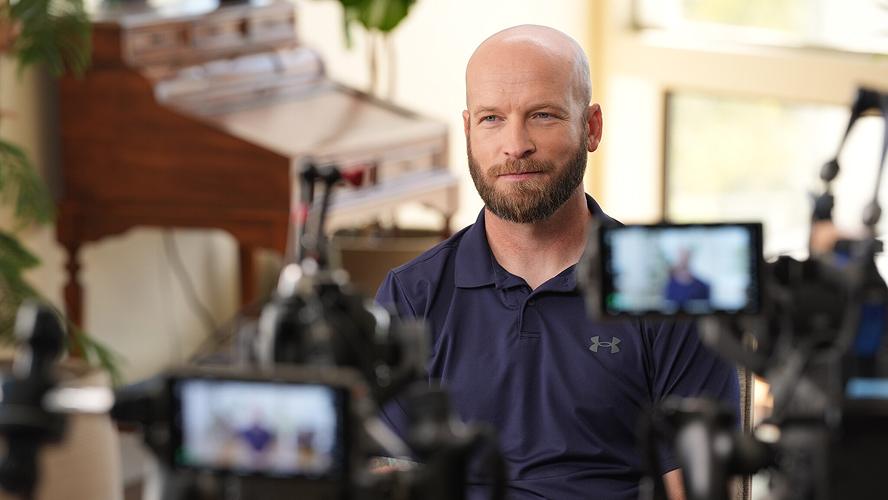
Mario was in fourth grade when he made his decision to join the U.S. military, after he watched the Twin Towers collapse on 9/11. “The following Sunday, I was with a group of my friends, and we all promised each other that we were going to join,” Mario recalls.
He made good on that promise in 2011, when he joined the Navy and became a gunner’s mate. But leaving the military in 2015 left him feeling rudderless. Not yet aware that he was also dealing with depression and posttraumatic stress disorder (PTSD), he could not find a way to get his life moving forward.
The challenge of transitioning from service
Mario took pride in his Navy work, which included taking apart torpedoes and putting them back together without any loss in the weapon’s efficiency. But the experience didn’t translate into his civilian life after he transitioned from service.
“I gained all this authority while serving in the military, and then you come out and no one recognizes it,” he says. “I felt like I didn’t matter or anything that I did previously didn’t matter. I had lost my identity and self-purpose.” He also felt the absence of his shipmates and the support they provided through tough times.
Rediscovering himself through therapy
With encouragement from his wife, Mario decided to seek help. A diagnosis of depression and PTSD gave him insight into his feelings, but treating the conditions took time and commitment.
“The first experience with treatment was talk therapy. I didn’t go into detail about what happened. I was just surface-dwelling,” he explains.
As he began to open up, however, he made more progress. “Talk therapy allowed me to start feeling again and really just almost restarting, finding my identity,” he says. It also gave him tools and a thought process to get through difficult times.
“When you have those hard days that come, being able to go, ‘I’m here for a reason. I’m moving forward. Here are things that I’ve been successful at, successful in.’ And that allows me to address the things that I want to work on,” he says.
Finding freedom and a new purpose
Mario says working as a police officer, especially on the mental health crisis outreach team, gave him new purpose.
“People feel lost, like they’ve been forgotten,” he says. He wants to make sure they feel seen, conveying this message through his presence and demeanor: “I’m standing here. You’re all that I care about.” He tries to pass on what he has learned through experience.
“Getting help is a way to feel free—not feel in bondage by fear, anxiety, sadness, depression, guilt,” Mario says. “And I feel like I have true freedom now. Getting mental help and knowing that you’re not the only one is what really saved me.”